ALROSA DIAMONDS
carbon neutral
Their production absorbs more CO₂ than it releases into the atmosphereTHE CLIMATE IS CHANGING FAST AND SERIOUSLY
To avoid catastrophic consequences for the Earth's biosphere, international experts estimate that global warming must be limited to 1.5°C. This goal was set by the 2015 Paris Agreement. To achieve this, carbon dioxide emissions must be reduced by 45% by 2030 compared to 2010 levels, and reach net zero by 2050. Otherwise, we face extreme weather events, thawing permafrost, ocean acidification, and the collapse of entire ecosystems.


Over the past 100 years, the concentration of greenhouse gases has increased 25-fold.
If current trends continue, the consequences could become irreversible as early as the second half of the 21st century.
Today, what matters is not only what is produced, but also how
Responsible companies strive to reduce their carbon footprint, and consumers increasingly want to understand the real climate impact of the goods they buy.
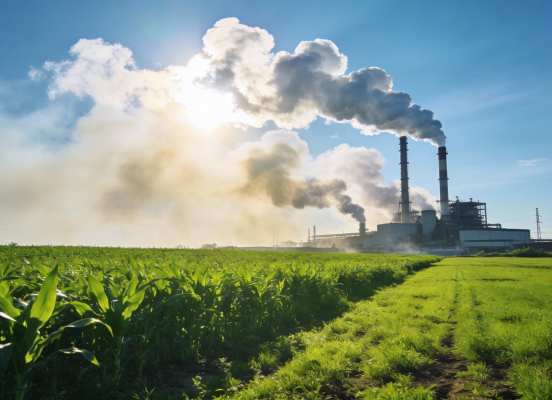
Where do diamonds come from?
Natural diamonds are mined from diamond-bearing bedrock — kimberlite
Kimberlite is an igneous rock that formed billions of years ago deep underground and brought diamonds to the surface during ancient eruptions. But kimberlite is interesting not only as a source of diamonds.
Kimberlite can naturally absorb CO₂ from the atmosphere through a process called carbonation
-
kimberlite minerals react with water and CO₂ from the air
-
carbon dioxide is converted into stable calcium and magnesium carbonates
-
carbon gets locked into a solid mineral form
This is not a hypothesis or a model. It has been proved by three years of research conducted by ALROSA specialists together with scientists from Moscow State University. Direct measurements were taken at ALROSA's diamond deposits in Yakutia and the Arkhangelsk region, which confirmed this effect.
This process has no reverse effect
The absorbed CO₂ does not return to the atmosphere — it remains locked in stone forever.
1
ALROSA's technologies turn all extracted ore into a natural filter for CO₂
2
Extracted and processed ore purifies the atmosphere
3
The cleaner the atmosphere, the better for the climate, as the climate accumulates changes
DIAMOND MINING ENHANCES CARBONIZATION
In nature, carbonization occurs slowly, but diamond mining accelerates the process: when kimberlite is extracted from the depths and finely crushed during diamond recovery using water, it actively interacts with air and water.
As a result, the natural process of CO₂ absorption accelerates sharply. In effect, diamond mining activates and amplifies a natural mechanism that existed long before humans.
In nature
Kimberlite is locked deep within the earth
When extracted from the ground
Chemical reactions between kimberlite and air are activated
During diamond mining
Kimberlite is crushed during processing, increasing the surface area in contact with air
The use of water during the crushing and storage of kimberlite rock accelerates the reaction with air
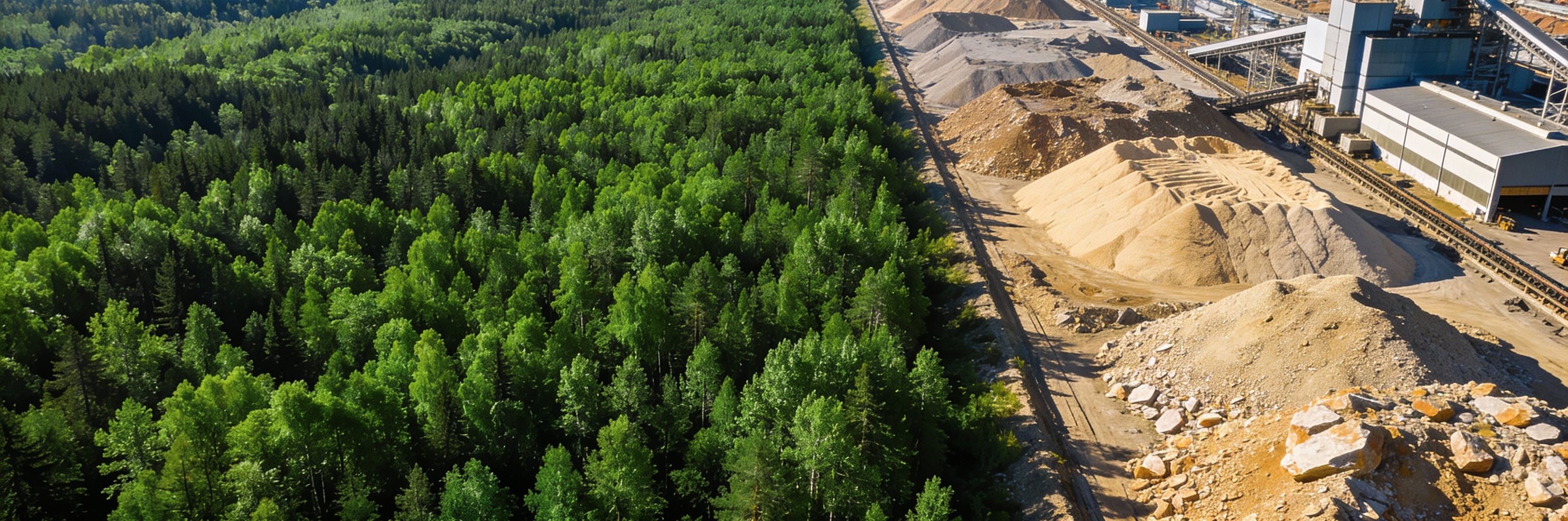
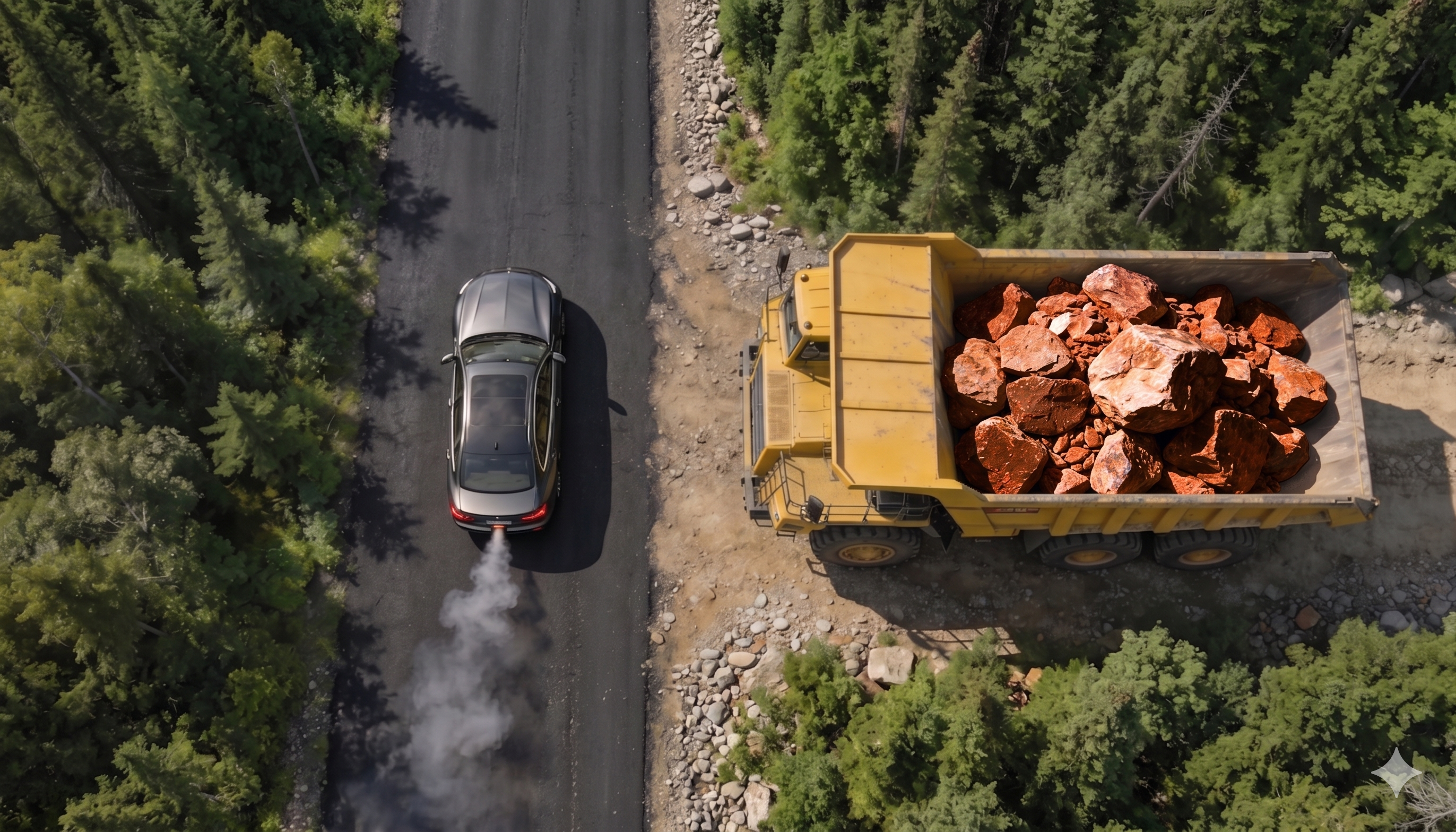


The balance is not zero — it is negative
The effect is confirmed not by theoretical calculations, but by scientific research conducted at ALROSA's industrial facilities
ALROSA BECAME THE WORLD'S FIRST MINING COMPANY TO
Scientifically prove the carbon neutrality of its products
Undergo independent international verification
Achieve carbon neutrality without purchasing carbon credits
The company is setting a new industry standard and redefining what mineral extraction can look like in the 21st century.
ALROSA became the world's first mining company whose product — natural diamonds — has been officially recognized as carbon neutral. International verification confirmed that during diamond mining, CO₂ absorption exceeds all greenhouse gas emissions.
CCS — Carbon Capture and Storage — technologies for capturing and retaining carbon in inorganic form
CDR — Carbon Dioxide Removal — technologies for removing carbon dioxide
EXPERT COMMENTS
Kirit Bansali
Chairman of the Gem & Jewellery Export Promotion Council of India
Lin Qiang
President of the Shanghai Diamond Exchange
Pavel Marinychev
CEO of ALROSA